
Water damage can happen suddenly because of a burst pipe, overflowing appliance, heavy rainfall, plumbing failure, roof leak, or flooding. While a small spill may be manageable with basic household cleaning, serious water damage requires prompt attention. Knowing when to call a water restoration service can help reduce property damage, protect belongings, and prevent moisture-related problems from becoming more difficult and expensive to address.
Water can spread quickly through floors, walls, ceilings, and other building materials. Even when visible water appears to be gone, moisture may remain underneath surfaces. Professional assessment and restoration can identify hidden moisture and help restore affected areas properly.
Understanding the Signs of Serious Water Damage
Not every water incident requires professional restoration, but certain warning signs indicate that immediate assistance may be appropriate. The amount of water involved, the source of the water, and how long the materials have remained wet all matter when determining the severity of the situation.
Standing water is one of the clearest signs that professional help may be needed. Large amounts of water can penetrate flooring, drywall, insulation, cabinets, and other materials. Removing this water quickly can limit the amount of damage that occurs.
Another warning sign is water that has spread across multiple rooms. Water can travel beneath flooring and through wall cavities, making the affected area much larger than it initially appears. A water restoration service can evaluate the property to determine how far moisture has traveled.
Call for Help When There Is Extensive Standing Water
Standing water should not be ignored, particularly when it covers a significant portion of a room or has remained for an extended period. The longer water sits, the greater the opportunity for materials to absorb moisture and deteriorate.
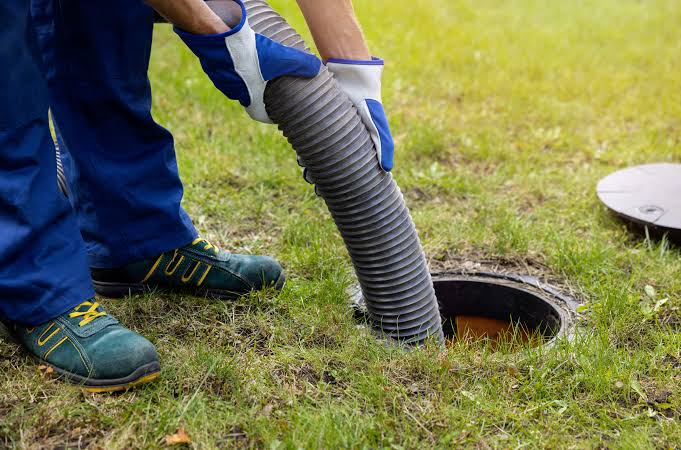
Professional restoration technicians have specialized extraction equipment designed to remove large quantities of water efficiently. Depending on the situation, they may use powerful pumps, wet vacuums, and other equipment to extract water from affected spaces.
Removing standing water is only the beginning. Once the visible water has been extracted, the property still needs to be evaluated for remaining moisture. Drying equipment can help reduce moisture levels in flooring, walls, furniture, and other affected materials.
When Water Has Entered Walls or Floors
Water damage becomes more complicated when moisture moves beyond the surface. A wet carpet may be easy to identify, but moisture inside drywall, subflooring, insulation, or wall cavities can be difficult to detect without professional equipment.
Hidden moisture can continue damaging building materials after the original incident has been addressed. It may also create conditions that encourage unwanted biological growth and unpleasant odors.
A water restoration service can use moisture meters and other inspection tools to locate areas that remain damp. Identifying these areas early allows restoration work to focus on the actual extent of the damage rather than relying only on visible signs.
When the Water Source Is Contaminated
The source of the water is another important consideration. Water from a clean supply line may present different concerns than water from a sewage backup, toilet overflow, flood, or other contaminated source.
Contaminated water can contain microorganisms, chemicals, debris, and other substances that make direct contact unsafe. In these situations, attempting extensive cleanup without appropriate protective equipment and procedures can expose occupants to unnecessary risks.
Professional restoration teams can assess the category and extent of the water damage and determine appropriate cleanup procedures. If contaminated water is involved, professional assistance should be sought promptly rather than treating the incident as an ordinary household spill.
When Your Home Has a Flooded Basement
Basements are particularly vulnerable to serious water damage because water can enter through foundation walls, floor drains, plumbing systems, sump pump failures, or heavy rainfall. A flooded basement can also contain hidden moisture beneath flooring and behind finished walls.
Quick action is important because basement materials may absorb water rapidly. Carpeting, drywall, wooden structures, insulation, and stored belongings can all be affected.
A water restoration service can inspect the basement, remove standing water, identify moisture-affected materials, and establish an appropriate drying process. Professional evaluation is especially important when the basement has been flooded extensively or the water source is uncertain.
After a Burst Pipe or Major Plumbing Failure
A burst pipe can release a substantial amount of water in a short period. Water may spread across rooms before the source is completely stopped, causing damage to floors, walls, ceilings, furniture, and personal belongings.
After shutting off the water supply when it is safe to do so, homeowners should assess the situation and consider professional restoration if significant water has entered the property.
Rapid extraction and drying can help reduce the amount of time building materials remain wet. A professional team can also inspect surrounding areas that may have been affected even if they do not appear visibly damaged.
When You Notice Persistent Dampness or Odors
Sometimes water damage is not immediately obvious. Persistent dampness, musty odors, bubbling paint, swollen flooring, stained ceilings, or warped materials can indicate that moisture remains inside the property.
These signs should not simply be covered with paint, flooring, or air fresheners. They may indicate an underlying moisture problem that requires investigation.
A water restoration service can inspect suspicious areas and determine whether additional drying, material removal, or repairs are necessary. Addressing the underlying source is essential for preventing the problem from returning.
Why Fast Restoration Matters
Time is an important factor after significant water damage. Moisture can move through porous materials and reach areas that are difficult to access. Delaying cleanup can therefore increase the overall scope of restoration.
Fast action can also help protect belongings. Furniture, documents, textiles, electronics, and other personal items may sometimes be cleaned or dried successfully when addressed promptly. Leaving them exposed to moisture for too long can increase the likelihood of permanent damage.
Professional restoration focuses on both water removal and controlled drying. The goal is to return affected areas to appropriate moisture conditions rather than simply making surfaces look dry.
What to Expect From Professional Restoration
When a restoration company arrives, the process generally begins with an inspection. Technicians assess the affected areas, identify the water source, determine the extent of moisture intrusion, and develop a restoration plan.
Water extraction may then be performed using specialized equipment. After extraction, air movers, dehumidifiers, and other drying tools may be used to remove remaining moisture.
Depending on the severity of the damage, some materials may require cleaning, repair, or replacement. Restoration professionals can also document affected areas and the work performed, which may be useful when communicating with an insurance provider.
How to Prepare Before Help Arrives
If serious water damage occurs, safety should come first. If possible, stop the water source without putting yourself at risk. Electricity should not be handled in wet areas because water and electrical systems can create dangerous conditions.
Move undamaged belongings away from affected areas when it is safe to do so. Avoid walking through potentially contaminated water, and do not use electrical appliances that have been exposed to water unless they have been professionally evaluated.
Taking photographs or videos of the damage can also provide useful documentation. Keep records of visible damage, affected belongings, and restoration-related expenses.
Choosing the Right Time to Call
The best time to call a water restoration service is generally as soon as you recognize that the damage is beyond a minor, easily controlled spill. Large amounts of standing water, contaminated water, widespread moisture, flooded basements, burst pipes, and hidden dampness all warrant prompt attention.
Waiting for water damage to become more obvious can allow moisture to spread and increase the amount of restoration required. Early professional assessment provides a clearer understanding of the situation and allows appropriate drying and cleanup measures to begin sooner.
Protecting Your Property After Water Damage
Serious water damage can affect far more than the surface appearance of a home or commercial property. Moisture can move into structural materials, flooring, walls, furnishings, and hidden spaces. Recognizing the warning signs and responding quickly can make the restoration process more manageable.
When significant water intrusion occurs, contacting a qualified water restoration service can provide access to professional inspection, extraction, drying, cleaning, and restoration equipment. Prompt action can help limit further damage and support a safer, more complete recovery of the property.