
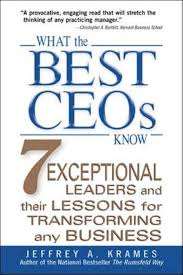
Building a successful company is challenging, but building one that remains successful for decades requires a different level of leadership. Markets change, customer expectations evolve, technologies advance, and competitors constantly emerge. Great CEOs what great CEOs understand understand that lasting success is not simply about achieving rapid growth. It is about creating a strong foundation that can adapt while remaining focused on purpose, value, and long-term goals.
The difference between short-term success and sustainable business growth often comes down to how leaders think. Exceptional CEOs make decisions with the future in mind, develop strong teams, protect their company culture, and continuously look for ways to improve. Understanding what great CEOs understand about long-term business building can provide valuable lessons for entrepreneurs and business leaders at every stage.
Long-Term Vision Matters More Than Short-Term Wins
Great CEOs recognize that lasting companies are built through consistent progress rather than temporary victories. A business may experience a sudden increase in sales or receive significant attention, but these achievements do not necessarily create long-term stability.
Successful CEOs develop a clear vision of where they want the organization to be years from now. They use that vision to guide decisions involving products, employees, customers, technology, and investments.
A long-term perspective also helps leaders avoid decisions that might produce immediate profits but damage the company’s reputation or future potential. Instead, they focus on building systems and relationships that continue generating value over time.
Strong Companies Are Built Around Customers
Customer needs are at the center of every sustainable business. Great CEOs understand that companies cannot remain successful by simply selling products or services. They must continuously understand what customers need and how those expectations are changing.
This requires listening to feedback, studying market trends, and paying attention to customer experiences. Businesses that consistently solve real problems are more likely to develop loyal customers and maintain strong demand.
Customer focus also encourages innovation. When leaders understand the challenges their customers face, they can identify opportunities for new products, improved services, and better experiences.
Culture Is a Strategic Advantage
One of the most important lessons about what great CEOs understand is that company culture is not just about creating a pleasant workplace. Culture influences how employees make decisions, communicate, solve problems, and serve customers.
Great CEOs intentionally create cultures based on values such as accountability, respect, collaboration, learning, and integrity. They understand that employees are more likely to perform effectively when they know what the organization stands for.
A strong culture also becomes increasingly important as a company grows. A small organization can depend heavily on its founders, but a larger company requires thousands of decisions to be made by employees. A clear culture helps ensure those decisions remain aligned with the company’s goals.
Hiring the Right People Creates Long-Term Strength
No CEO can build a lasting company alone. Great leaders understand the importance of surrounding themselves with talented, dependable, and adaptable people.
Hiring should not focus only on technical skills. Strong CEOs also look for people who demonstrate curiosity, responsibility, communication skills, and a willingness to learn.
Developing existing employees is equally important. Training, mentorship, feedback, and opportunities for advancement help organizations retain valuable talent while preparing future leaders.
Companies that invest in people create deeper organizational knowledge and reduce dependence on individual executives. This makes the business more resilient when leadership changes or unexpected challenges occur.
Adaptability Keeps Businesses Relevant
The business environment rarely stays the same. New technologies, economic conditions, competitors, regulations, and customer behaviors can quickly change an industry’s direction.
Great CEOs do not treat change as something to fear. They monitor developments, encourage experimentation, and remain willing to adjust strategies when circumstances demand it.
Adaptability does not mean abandoning a company’s identity every time a new trend appears. Instead, it means knowing which principles should remain constant and which strategies should evolve.
A company might keep its commitment to quality while changing its technology, distribution model, or marketing strategy. This balance between stability and flexibility is essential for long-term survival.
Financial Discipline Supports Sustainable Growth
Rapid expansion can be exciting, but growth without financial discipline can create serious problems. Great CEOs understand the importance of managing cash flow, controlling unnecessary expenses, evaluating investments, and maintaining financial resilience.
Sustainable companies make thoughtful decisions about when to invest aggressively and when to protect resources. Leaders understand that revenue growth alone does not guarantee a healthy business.
Financial discipline gives organizations the ability to survive difficult periods and take advantage of opportunities when they appear. A strong financial foundation also allows CEOs to make strategic decisions without constantly reacting to short-term financial pressure.
Innovation Should Be Continuous
Innovation is not limited to creating groundbreaking products. It can involve improving internal processes, enhancing customer service, reducing costs, or finding more effective ways to deliver value.
Great CEOs create environments where employees are encouraged to question outdated processes and propose better solutions. They understand that companies can become vulnerable when they become too comfortable with past success.
Continuous improvement allows businesses to remain competitive even when their industries change. Leaders who encourage experimentation can discover new opportunities before competitors do.
Reputation and Trust Take Years to Build
A company’s reputation can become one of its most valuable assets. Great CEOs understand that trust develops through consistent actions rather than advertising alone.
Customers, employees, investors, and business partners pay attention to how an organization behaves when things go wrong. Transparent communication, responsible decision-making, and ethical conduct can strengthen trust over time.
Leaders who prioritize reputation understand that a single short-term decision should not put years of credibility at risk. They consider how their actions will affect the organization beyond the immediate moment.
Great CEOs Develop Future Leaders
A company becomes more sustainable when its success does not depend entirely on one person. Exceptional CEOs prepare others to take responsibility and eventually lead.
They delegate meaningful responsibilities, provide mentorship, and encourage employees to develop leadership skills. This creates a pipeline of capable people who can guide different areas of the organization.
Succession planning is another important part of long-term thinking. Leaders who prepare for the future help ensure that the company’s mission and values continue even when leadership changes.
Purpose Creates Direction
Profitable businesses can be successful, but lasting organizations often have a deeper sense of purpose. Great CEOs understand why the company exists beyond making money.
A clear purpose can influence product development, customer relationships, employee engagement, and strategic decisions. It gives people a reason to contribute to something larger than individual tasks.
Purpose does not eliminate the need for profitability. Instead, it can help businesses remain focused on creating meaningful value while maintaining financial health.
Conclusion
Building a business that lasts requires more than ambition, capital, or a great product. It requires disciplined leadership and a willingness to think beyond immediate results. The biggest lesson in what great CEOs understand is that sustainable success comes from creating an organization capable of adapting, learning, and delivering value consistently.
Great CEOs focus on customers, develop strong teams, protect company culture, maintain financial discipline, encourage innovation, and prepare for the future. They understand that businesses are built over years through countless decisions and relationships.
Ultimately, lasting companies are not created by chasing every opportunity. They are created by knowing what matters, staying committed to core values, adapting intelligently, and continuously improving. Leaders who embrace these principles give their organizations a stronger chance of remaining relevant, trusted, and successful for generations.