
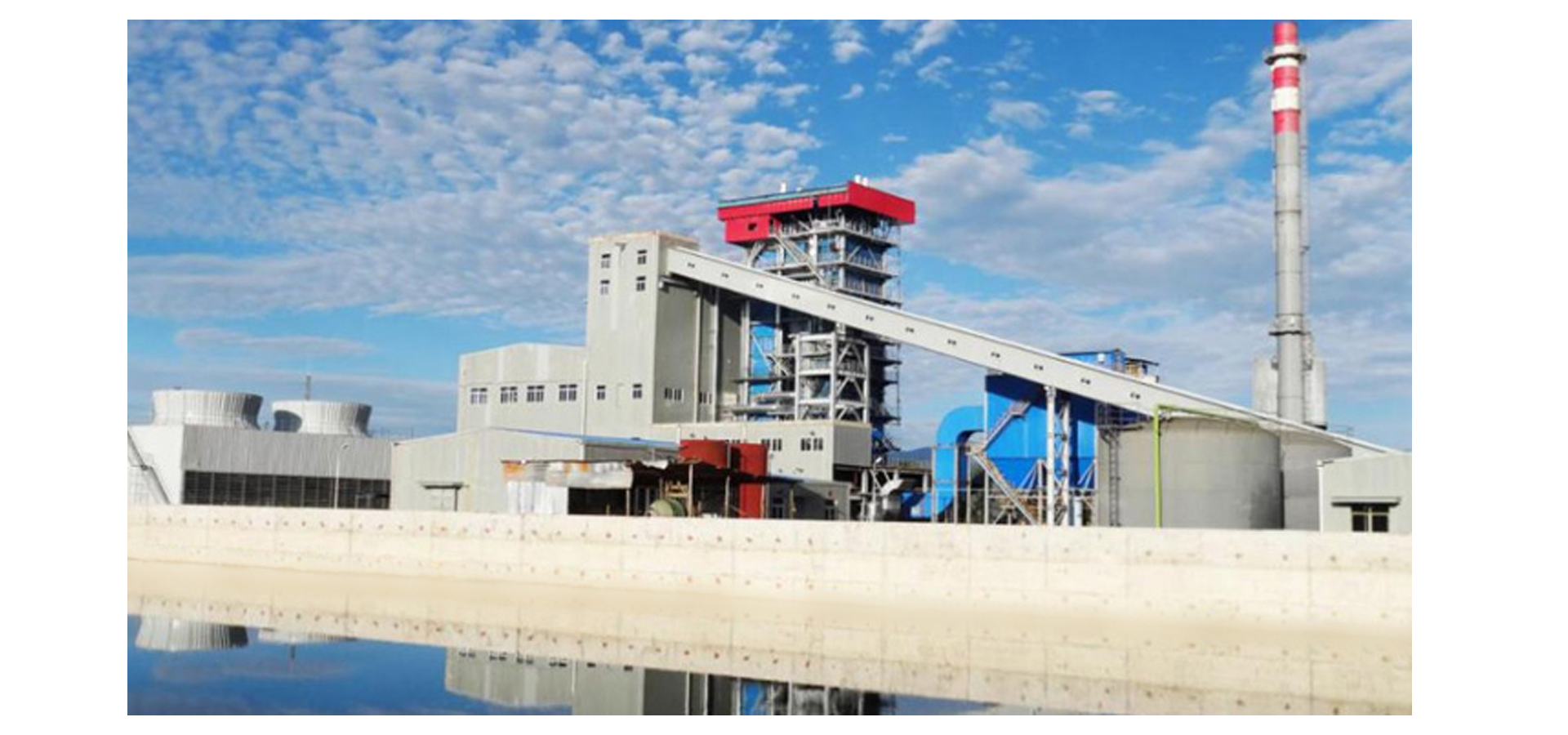
As the world transitions toward sustainable energy solutions, existing power plants face increasing pressure to improve efficiency, reduce emissions, and adapt to modern energy demands. One of the most promising strategies for achieving these goals is modular energy plant retrofits. These retrofits offer a flexible, scalable, and cost-effective approach to modernizing existing infrastructure while contributing to a greener future.
Understanding Modular Energy Plant Retrofits
Modular energy plant retrofits involve upgrading existing power generation facilities by integrating modular, prefabricated components. Unlike traditional overhauls, which often require extensive downtime and high costs, modular retrofits allow for incremental improvements. These modules can include advanced turbines, renewable energy interfaces, energy storage systems, and emission control technologies.
The modular nature of these retrofits provides several key advantages. First, it minimizes disruption to ongoing operations since retrofitting can occur in phases. Second, it offers adaptability, enabling facilities to incorporate new technologies as they become available. Third, modular retrofits are often more cost-effective than complete plant reconstructions, reducing both capital and operational expenditures.
Benefits of Retrofitting Existing Plants
Retrofitting existing energy plants has become essential in the push toward sustainability. By incorporating modular energy plant retrofits, operators can significantly enhance plant performance and environmental compliance. Some of the notable benefits include:
- Increased Efficiency: Modular upgrades often include advanced control systems, optimized turbines, and improved heat recovery solutions, which collectively boost the efficiency of the plant.
- Emission Reduction: Retrofitted plants can integrate carbon capture technology, scrubbers, and other emission-reducing systems, helping facilities comply with stricter environmental regulations.
- Flexibility in Energy Sources: Modular retrofits allow traditional plants to accommodate renewable energy sources like solar, wind, or bioenergy without requiring a complete redesign.
- Cost Savings: Incremental improvements reduce upfront costs compared to building new facilities. Additionally, increased efficiency translates into long-term operational savings.
- Reduced Downtime: Because retrofits can be implemented in stages, plants can maintain operations while undergoing modernization.
Key Technologies in Modular Energy Plant Retrofits
Several technologies play a critical role in modular energy plant retrofits, ensuring that facilities can meet modern energy and environmental standards. These include:
- Advanced Turbines and Generators: Upgrading to high-efficiency turbines and generators can drastically improve power output and reduce fuel consumption.
- Smart Control Systems: Modern control systems allow for precise monitoring and optimization of energy production, leading to better performance and reduced waste.
- Emission Control Modules: Modular scrubbers, filters, and carbon capture units help reduce the plant’s environmental footprint.
- Energy Storage Integration: Adding modular battery storage or other energy storage solutions allows plants to better manage supply fluctuations and integrate intermittent renewable energy.
- Renewable Energy Interfaces: Modular solar, wind, or bioenergy modules can be incorporated into traditional plants, enabling hybrid energy production.
Steps to Implement Modular Retrofits
Successfully implementing modular energy plant retrofits requires careful planning and execution. The following steps outline a typical retrofit process:
- Assessment and Feasibility Study: Evaluate the existing plant’s infrastructure, energy output, and environmental performance. Identify the areas that would benefit most from modular upgrades.
- Design and Engineering: Develop retrofit designs that are compatible with existing systems. Modular designs should allow for easy installation and future upgrades.
- Procurement and Fabrication: Source prefabricated modules or design them for on-site fabrication. This stage ensures that components meet required standards and can integrate seamlessly with existing equipment.
- Installation and Integration: Implement the retrofit modules in phases to minimize operational downtime. Integration should include testing for compatibility with current plant operations.
- Performance Monitoring: After installation, continuously monitor the plant’s performance to ensure that the retrofit delivers the expected improvements in efficiency and sustainability.
- Maintenance and Upgrades: Modular retrofits allow for ongoing improvements, making it easier to replace outdated components without a complete overhaul.
Challenges and Considerations
While modular energy plant retrofits offer many benefits, certain challenges must be considered:
- Compatibility Issues: Existing plants may have older infrastructure, requiring careful engineering to ensure new modules integrate effectively.
- Cost of Advanced Technologies: Some modular components, such as high-efficiency turbines or carbon capture systems, can have high initial costs, although they often pay off over time.
- Regulatory Compliance: Retrofits must adhere to local and international regulations concerning emissions, safety, and energy efficiency.
- Training and Workforce: Staff may require training to operate and maintain new modular systems effectively.
- Logistics and Installation: The physical size and complexity of some modules may necessitate specialized transportation and installation equipment.
Case Studies of Successful Retrofits
Several energy facilities worldwide have successfully implemented modular energy plant retrofits, demonstrating the feasibility and advantages of this approach. For example, a thermal power plant in Europe upgraded its turbines with modular high-efficiency units, resulting in a 15% increase in output and a significant reduction in CO₂ emissions. Similarly, a hybrid retrofit project in Asia integrated solar modules into an existing coal plant, enabling partial renewable energy production without shutting down the facility.
These case studies highlight how modular retrofits can transform legacy plants into efficient, sustainable energy producers. They also illustrate the potential for retrofits to extend the lifespan of existing infrastructure while supporting global sustainability goals.
Future of Modular Energy Plant Retrofits
The future of modular energy plant retrofits is closely tied to technological advancements and the global push toward decarbonization. Emerging trends include:
- AI and Predictive Maintenance: Artificial intelligence will enable more precise monitoring and predictive maintenance of modular systems, improving reliability and reducing downtime.
- Enhanced Energy Storage Solutions: Advanced battery technologies will allow plants to store excess energy more efficiently, facilitating better integration with renewables.
- Smarter Hybrid Systems: Combining traditional energy sources with renewables in a modular fashion will become increasingly common, enabling more flexible and resilient power grids.
- Circular Economy Approaches: Reusing and repurposing components in modular retrofits will reduce waste and lower costs, supporting sustainable manufacturing practices.
By adopting modular retrofits, energy operators can future-proof their plants, reduce environmental impact, and contribute to the global energy transition.
Conclusion
Modular energy plant retrofits represent a practical and innovative path toward sustainable power generation. By upgrading existing facilities with modular, prefabricated components, plants can achieve higher efficiency, lower emissions, and better adaptability to evolving energy demands. The modular approach offers reduced downtime, cost savings, and the flexibility to integrate renewable energy sources.
As energy challenges become more complex, retrofitting existing plants with modular technologies will play a crucial role in building a sustainable, resilient, and efficient power infrastructure. Investing in these retrofits not only supports environmental goals but also ensures long-term operational and financial benefits for energy operators worldwide.