
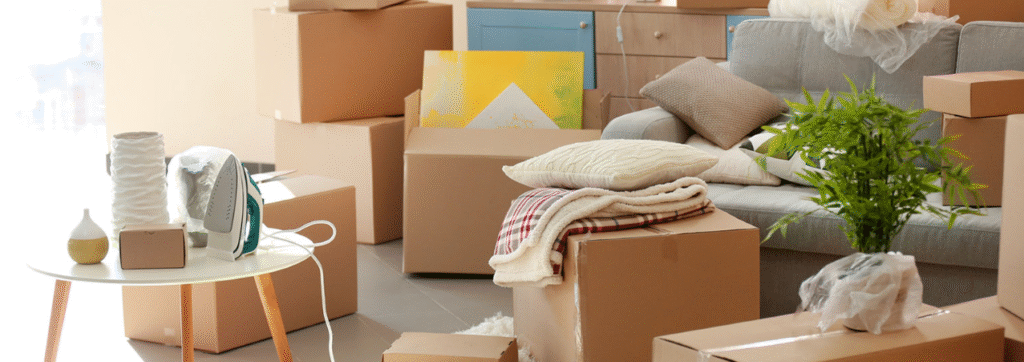
Moving to a new home doesn’t have to come at the expense of the environment. Traditional moving methods often involve excessive cardboard, plastic wrap, and disposable packing materials that generate unnecessary waste. By adopting a few sustainable practices, you can reduce your environmental impact while still enjoying a smooth and organized relocation.
Whether you’re planning a local or long-distance move, working with a reliable Flyttfirma Helsingborg can also support a more eco-friendly relocation. Many professional movers encourage efficient packing, optimized transportation routes, and reusable moving materials, helping homeowners minimize waste throughout the moving process.
Declutter Responsibly
One of the easiest ways to reduce waste during a move is to avoid transporting items you no longer need.
Instead of throwing everything away, consider:
- Donating usable furniture and clothing
- Selling unwanted household items
- Recycling paper, electronics, and plastics
- Giving usable items to friends or family
Reducing the number of belongings you move also lowers fuel consumption and moving costs.
Use Reusable Packing Materials
Instead of purchasing new boxes and packing supplies, look for reusable alternatives.
You can use:
- Plastic storage bins
- Reusable moving crates
- Suitcases
- Laundry baskets
- Fabric storage bags
For cushioning, replace bubble wrap with towels, blankets, linens, or clothing you already own.
Reuse Cardboard Boxes
If cardboard boxes are necessary, try sourcing gently used ones from local businesses, neighbors, or community groups.
After your move, flatten the boxes and save them for future use or pass them along to someone else preparing for a relocation.
Choose Sustainable Packing Supplies
When buying packing materials, look for environmentally friendly options such as:
- Recycled cardboard boxes
- Paper packing tape
- Biodegradable packing peanuts
- Recyclable packing paper
These alternatives help reduce landfill waste while still protecting your belongings.
Pack Efficiently
Efficient packing isn’t just convenient—it also benefits the environment.
Fill boxes completely to maximize space while avoiding overpacking. Proper organization reduces the number of boxes needed and allows the moving truck to be loaded more efficiently, potentially reducing the number of trips required.
Donate Food Before Moving
Perishable food is often discarded during a move.
Before relocating:
- Use up frozen foods.
- Plan meals around pantry items.
- Donate unopened non-perishable foods to local food banks if possible.
This helps reduce food waste while benefiting your community.
Dispose of Hazardous Materials Properly
Certain household products should never be thrown into regular trash or loaded onto a moving truck.
Examples include:
- Paint
- Motor oil
- Cleaning chemicals
- Batteries
- Pesticides
Contact your local recycling or hazardous waste collection center for proper disposal methods.
Reduce Paper Waste
Many moving-related tasks can now be completed digitally.
Whenever possible:
- Submit address changes online.
- Store important documents digitally.
- Receive electronic bills and statements.
- Use digital moving checklists.
Reducing paper use is a simple way to make your move more environmentally friendly.
Unpack Sustainably
After moving in, continue your eco-friendly efforts by:
- Recycling packing materials.
- Reusing boxes for storage.
- Donating excess packing supplies.
- Avoiding single-use plastics while organizing your home.
Small choices after the move can have a lasting positive impact.
Final Thoughts
An eco-friendly move is all about making thoughtful choices that reduce waste without sacrificing convenience. By decluttering responsibly, reusing packing materials, choosing sustainable supplies, and minimizing unnecessary consumption, you can make your relocation more environmentally conscious. Every small effort contributes to a cleaner planet while helping you enjoy a more organized and efficient moving experience.